

The Thrill of Uncertainty
The psychology behind gambling is deeply rooted in the thrill of uncertainty. When players engage in casino games, they often find themselves captivated by the unpredictable nature of the outcomes. This element of chance creates a dopamine release in the brain, akin to the exhilaration one might feel when taking risks in other aspects of life. The uncertainty acts as a motivating factor, drawing players back for another round, hoping to achieve a favorable outcome that may not only yield monetary rewards but also a rush of adrenaline. For those looking to explore the intricacies of governance and participation, you can read more about how communities can engage in decision-making.
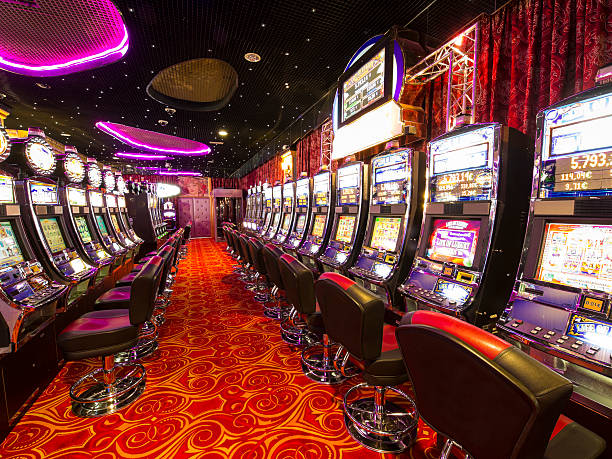
This thrill is often amplified by the environment in casinos, where sounds, lights, and visual stimuli enhance the experience. By creating an atmosphere that heightens anticipation, casinos effectively leverage the psychology of uncertainty, ensuring that the allure of potential winnings keeps players engaged for longer periods. This dynamic can lead to a cycle of repeated gambling behavior as players chase the exhilarating feelings associated with winning, regardless of the actual odds.
The Allure of Escapism
For many, gambling serves as a form of escapism from real-life stressors. Casino games allow individuals to step away from their daily responsibilities and immerse themselves in a world where the usual rules do not apply. This psychological retreat offers a temporary escape from life’s pressures, providing a much-needed break and a chance to indulge in fantasies of wealth and success. The immersive nature of these games can be enticing, as it allows players to envision themselves as winners, even if only for a moment.
Moreover, this escapism is not limited to financial aspirations. Many gamblers seek a sense of adventure and excitement that their everyday lives may lack. Engaging in casino games can be a thrilling alternative to routine activities, providing a rush of excitement that can be hard to replicate elsewhere. The escape from reality, combined with the potential for significant rewards, makes gambling alluring to a wide demographic, from casual players to high rollers.
The Role of Social Interaction
Social interaction plays a significant role in the gambling experience, as many casino games are inherently communal. Whether it’s sitting at a poker table or playing a round of bingo, the social atmosphere can enhance the enjoyment of the game. These interactions can foster a sense of belonging and camaraderie among players, which can be particularly appealing to those who may feel isolated in their everyday lives. Engaging with fellow gamblers creates a shared experience that can make the games even more enjoyable.
Moreover, social dynamics can influence gambling behavior. Individuals may feel a sense of competition or camaraderie, impacting their decisions and enhancing the thrill of the game. This social aspect can lead to increased engagement, as players often return not just for the games themselves, but for the connections they develop with others in the gambling community. Understanding this psychological need for social interaction can be crucial in explaining why many people are drawn to casino environments.
The Impact of Marketing and Design
Casino operators invest heavily in marketing strategies that appeal to the psychological triggers of potential gamblers. The design of the games, the layout of the casino floor, and promotional incentives are meticulously crafted to draw players in. Bright lights and enticing graphics can create a sense of urgency and excitement, compelling individuals to participate even when they might not have initially intended to gamble. This manipulation of the environment is a strategic move that capitalizes on psychological principles to maximize revenue.
Additionally, loyalty programs and promotional offers leverage psychological principles such as loss aversion. Gamblers are more likely to engage with rewards that provide them with a sense of being valued. These programs are designed to foster long-term loyalty, creating a cycle where players feel compelled to return to the casino to redeem their rewards, even when they’ve previously experienced losses. This strategic combination of environment and psychology is crucial in understanding what makes people gamble.
Join the Conversation on GovernanceVote.ca
At GovernanceVote.ca, we understand that decision-making processes can often be complicated, much like the dynamics of gambling behavior. Our platform is designed to facilitate secure and efficient participation in governance solutions, welcoming users into a space where their voices matter. Just as the psychology of gambling can influence choices, we strive to empower individuals to engage thoughtfully in community governance.
Join us in shaping the future of decision-making with confidence, ensuring that every vote counts and every opinion matters. By participating on our platform, you’re not just a player in a game; you’re an integral part of a community striving for better governance. Your engagement is crucial, and we’re here to support you in this journey toward a more inclusive and transparent decision-making process.